


Who has some instructions or at least photos of the 42DD Downpipe install? Thanks!

AudiWorld Super User
Joined: Jul 2005
Posts: 6,599
Likes: 0
 Here's a great write-up on the vortex BUT...
They cut out the stock DP with a sawzall instead of dropping the subframe to get it out.
Check Schwing's fotki for the front swaybar install, I believe it'll show you how to drop the subframe.<ul><li><a href="http://forums.vwvortex.com/zerothread?id=3291772">http://forums.vwvortex.com/zerothread?id=3291772</a></li></ul>
Check Schwing's fotki for the front swaybar install, I believe it'll show you how to drop the subframe.<ul><li><a href="http://forums.vwvortex.com/zerothread?id=3291772">http://forums.vwvortex.com/zerothread?id=3291772</a></li></ul>

AudiWorld Super User
Joined: Apr 2000
Posts: 13,257
Likes: 0
Check out this for some photos.......
and this for some instructions.....
Installation is two parts - removal of the stock DP and installation of the 3" DP. Removal of the stock DP can be done in two ways - cut it up, or drop the subframe. I'll discuss both:
Dropping The Subframe
Basically, all you need to do is remove the 4 bolts which hold the subframe to the car. Keep the tie rods, control arms, ball joints, everything installed. When the subframe is loose it will come down about 2" on it's own. You can pull it down 2"-4" more.
With the subframe down, the downpipe can be manipulated out. Some people say that you need to get an alignment after you drop the subframe. This can be true, however not always. The 4 bolt holes purposely have some slop in them. When bolting the subframe back up it's possible to skew the alignment.
Cutting It Up
To do this you'll need a SawZall and long metal blades. The DP should be cut on the engine side of the subframe, as close to the power steering rack as possible. The two smaller pipes should be free to fall out.
Here's how I did it.
Pop the hood and start removing everything. Remove the engine covers, the charge pipe, the charge pipe retaining brackets, the strut bar, and any other brackets in your way of the downpipe. With everything removed you can now get your hand down and feel the downpipe. Use a oxygen sensor wrench to remove the first oxygen sensor. Soak the 3 downpipe nuts in penetrating oil and take a break. Also, soak the 6 cat nuts and the sleeve clamp at this time.
Get out your full tool set, you'll need it for this step. The 3 17mm downpipe nuts need to be loosened with a breaker bar. You will need to come up with a socket and extension combo to get you between the timing belt cover and the frame rail. Once you've broken them loose with a breaker bar you can sneak a ratchet in there.
Underneath the car you will need to break the 6 rusty nuts loose on the cats. I don't remember the size of these nuts, but I do remember they came loose pretty easy with hand tools. I think they were 13mm. You'll need a cariety of extensions and sockets here as well to clear the pipes and the subframe. Remove the second oxygen sensor and loosen the bolts on the sleeve clamp. You should now be able to remove the stock cat section from the sleeve clamp.
Remove the passenger side axle shield. It's two bolts on the back of the block. Also remove the dogbone engine mount. You'll need the clearance.
Here's where you choose your removal method for the DP.
If you're dropping the subframe, drop it and remove the downpipe. You'll need to twist and pull on it to remove, but it will come out. Keep the subframe down when installing the DP. It will help get your hands in tricky places and the upper pipe installed.
If you're cutting the DP up, start by removing some more stuff. Take the passenger side wheel off. Remove the plastic side engine cover. Unbolt the axle at the transmission. Unbolt the front control arm bolt. You can now pull your hub and axle to the side. You will need to do this in order to install the upper portion of the downpipe.
Reach up from the wheel well and install one nut on the upper DP flange. This will keep it sturdy while cutting. Take your sawzall and cut the DP right after the merge. It should allow the two pipes to fall out. Wear safety glasses and close your mouth while cutting!
When the DP is cut, the two small pipes come out from behind the subframe. Remove the one nut you re-installed on the DP and remove the upper portion of the DP through the wheel well. Take a break, you just removed 1/4 of the parts on the car. Maybe not, but you've got a pile of parts going at this point!
Installing The 3" Downpipe
This is still tricky, but a whole lot easier than taking out the stock DP. First install the upper portion of the downpipe. You'll need to get it behind there through the wheel well. It will only install one way on the turbo. You can re-use your stock turbo gasket and nuts. Alot of guys like to replace these, but I don't usually until I've taken them off 5 times. Tighten the 3 turbo-downpipe nuts up tight. You can do one of them from the wheel well but will need to hit the top ones from above. You'll find that you can use a much more reasonable socket/ratchet/extension combo on our pipe.
Next, install the flex pipe. It will be inserted from behind the subframe. Be sure to tighten up the bolts that are pre-threaded into the flange. Unless you drop the subframe there is physically no way to tighten these bolts. Don't forget the gasket, and hand-tighten this flange from the wheel well area.
Re-install your dogbone mount to put the engine in it's final resting place. With the engine sitting right, adjust the location of the flex pipe. The upper downpipe flange allows for quite a bit of adjustment. When adjusting the flex pipe you are basically centering the flex section between the axle and the heat shield. Once adjusted, tighten the 3 nuts. They are 1/2". You can use open end wrenches, and a socket if you're able to fit one in there. These don't need to be ridiculously tight. Keep an eye on the pre-threaded bolts to make sure they are not loosening up.
Next, bolt the cat section and adaptor together on the ground. Don't forget the gasket, and tighten the bolts up pretty good. No need for an impact gun on this hardware. With the adaptor bolted up, pull the stock exhaust down and slide the adaptor into the sleeve clamp. Then, move the cat into position and hold it there with a bolt. Add the gasket and bolt the cat to the flex pipe. You have some adjustment here as well. Notice how close the S bend on the cat section is to the heatshield. This will be the only place to rattle if you are out of adjustment. Adjust as needed.
Tighten the cat pipe - flex pipe bolts using 1/2" open end wrenches. You may need a 'stubby' for the top nut. Re-install the second oxygen sensor. Tighten up the sleeve clamp. Re-install the first oxygen sensor. Plug both back in. The downpipe is now installed.
Take a break, then start reassembling the car. I would start with the engine bay. Get everything needed to make the engine run installed. You need to start the car to check for leaks. Basically, make sure all your coil packs are in and plugged in. Get the boost pipe re-installed and fire it up. Check for leaks. There won't be any unless something is really off.
Now, really get back to re-assembling the car. This is like the 10 hour drive home from a really great vacation. It always seems like eternity comared to the ride there.
So, that's it. The installation really isn't that hard, it's just ALOT of work. Now that I have done one I could do a straight install in 3-4 hours. It will take you all day. You must be a competent mechanic to do this install. There's alot to remove, remember, and re-install. Alot of tools are required, and it may only be possible on a lift. I couldn't imagine doing this on jack stands. Don't be embarrassed to seek pro help for this one
Consider this a rough draft... I am sure I forgot details. It's been 3 months.
Evan
Installation is two parts - removal of the stock DP and installation of the 3" DP. Removal of the stock DP can be done in two ways - cut it up, or drop the subframe. I'll discuss both:
Dropping The Subframe
Basically, all you need to do is remove the 4 bolts which hold the subframe to the car. Keep the tie rods, control arms, ball joints, everything installed. When the subframe is loose it will come down about 2" on it's own. You can pull it down 2"-4" more.
With the subframe down, the downpipe can be manipulated out. Some people say that you need to get an alignment after you drop the subframe. This can be true, however not always. The 4 bolt holes purposely have some slop in them. When bolting the subframe back up it's possible to skew the alignment.
Cutting It Up
To do this you'll need a SawZall and long metal blades. The DP should be cut on the engine side of the subframe, as close to the power steering rack as possible. The two smaller pipes should be free to fall out.
Here's how I did it.
Pop the hood and start removing everything. Remove the engine covers, the charge pipe, the charge pipe retaining brackets, the strut bar, and any other brackets in your way of the downpipe. With everything removed you can now get your hand down and feel the downpipe. Use a oxygen sensor wrench to remove the first oxygen sensor. Soak the 3 downpipe nuts in penetrating oil and take a break. Also, soak the 6 cat nuts and the sleeve clamp at this time.
Get out your full tool set, you'll need it for this step. The 3 17mm downpipe nuts need to be loosened with a breaker bar. You will need to come up with a socket and extension combo to get you between the timing belt cover and the frame rail. Once you've broken them loose with a breaker bar you can sneak a ratchet in there.
Underneath the car you will need to break the 6 rusty nuts loose on the cats. I don't remember the size of these nuts, but I do remember they came loose pretty easy with hand tools. I think they were 13mm. You'll need a cariety of extensions and sockets here as well to clear the pipes and the subframe. Remove the second oxygen sensor and loosen the bolts on the sleeve clamp. You should now be able to remove the stock cat section from the sleeve clamp.
Remove the passenger side axle shield. It's two bolts on the back of the block. Also remove the dogbone engine mount. You'll need the clearance.
Here's where you choose your removal method for the DP.
If you're dropping the subframe, drop it and remove the downpipe. You'll need to twist and pull on it to remove, but it will come out. Keep the subframe down when installing the DP. It will help get your hands in tricky places and the upper pipe installed.
If you're cutting the DP up, start by removing some more stuff. Take the passenger side wheel off. Remove the plastic side engine cover. Unbolt the axle at the transmission. Unbolt the front control arm bolt. You can now pull your hub and axle to the side. You will need to do this in order to install the upper portion of the downpipe.
Reach up from the wheel well and install one nut on the upper DP flange. This will keep it sturdy while cutting. Take your sawzall and cut the DP right after the merge. It should allow the two pipes to fall out. Wear safety glasses and close your mouth while cutting!
When the DP is cut, the two small pipes come out from behind the subframe. Remove the one nut you re-installed on the DP and remove the upper portion of the DP through the wheel well. Take a break, you just removed 1/4 of the parts on the car. Maybe not, but you've got a pile of parts going at this point!
Installing The 3" Downpipe
This is still tricky, but a whole lot easier than taking out the stock DP. First install the upper portion of the downpipe. You'll need to get it behind there through the wheel well. It will only install one way on the turbo. You can re-use your stock turbo gasket and nuts. Alot of guys like to replace these, but I don't usually until I've taken them off 5 times. Tighten the 3 turbo-downpipe nuts up tight. You can do one of them from the wheel well but will need to hit the top ones from above. You'll find that you can use a much more reasonable socket/ratchet/extension combo on our pipe.
Next, install the flex pipe. It will be inserted from behind the subframe. Be sure to tighten up the bolts that are pre-threaded into the flange. Unless you drop the subframe there is physically no way to tighten these bolts. Don't forget the gasket, and hand-tighten this flange from the wheel well area.
Re-install your dogbone mount to put the engine in it's final resting place. With the engine sitting right, adjust the location of the flex pipe. The upper downpipe flange allows for quite a bit of adjustment. When adjusting the flex pipe you are basically centering the flex section between the axle and the heat shield. Once adjusted, tighten the 3 nuts. They are 1/2". You can use open end wrenches, and a socket if you're able to fit one in there. These don't need to be ridiculously tight. Keep an eye on the pre-threaded bolts to make sure they are not loosening up.
Next, bolt the cat section and adaptor together on the ground. Don't forget the gasket, and tighten the bolts up pretty good. No need for an impact gun on this hardware. With the adaptor bolted up, pull the stock exhaust down and slide the adaptor into the sleeve clamp. Then, move the cat into position and hold it there with a bolt. Add the gasket and bolt the cat to the flex pipe. You have some adjustment here as well. Notice how close the S bend on the cat section is to the heatshield. This will be the only place to rattle if you are out of adjustment. Adjust as needed.
Tighten the cat pipe - flex pipe bolts using 1/2" open end wrenches. You may need a 'stubby' for the top nut. Re-install the second oxygen sensor. Tighten up the sleeve clamp. Re-install the first oxygen sensor. Plug both back in. The downpipe is now installed.
Take a break, then start reassembling the car. I would start with the engine bay. Get everything needed to make the engine run installed. You need to start the car to check for leaks. Basically, make sure all your coil packs are in and plugged in. Get the boost pipe re-installed and fire it up. Check for leaks. There won't be any unless something is really off.
Now, really get back to re-assembling the car. This is like the 10 hour drive home from a really great vacation. It always seems like eternity comared to the ride there.
So, that's it. The installation really isn't that hard, it's just ALOT of work. Now that I have done one I could do a straight install in 3-4 hours. It will take you all day. You must be a competent mechanic to do this install. There's alot to remove, remember, and re-install. Alot of tools are required, and it may only be possible on a lift. I couldn't imagine doing this on jack stands. Don't be embarrassed to seek pro help for this one
Consider this a rough draft... I am sure I forgot details. It's been 3 months.
Evan

AudiWorld Uber User

Joined: Dec 2000
Posts: 53,281
Likes: 2
We dropped the subframe too, but...>>
It only drops an inch or 2. Short of disconnecting a bunch of stuff and/or removing it from the car we still had to Sawzall it out...
<img src="http://images25.fotki.com/v900/photos/8/89907/5089671/P6210154-vi.jpg?1182777432">
<img src="http://images25.fotki.com/v900/photos/8/89907/5089671/P6210154-vi.jpg?1182777432">

AudiWorld Super User
Joined: Jul 2005
Posts: 4,702
Likes: 0
If they drop your subframe you'll likely have to have the car aligned afterwards
Mine was installed without dropping the subframe or disconnecting the steering rack. Yes, my stocker dp was sawzalled out.
Trending Topics

Rest In Peace
Joined: Jun 2000
Posts: 24,689
Likes: 0
one more suggestion....I strongly recommend >>>>
that you use loctite. Once the bolts are all pulled up tight, drive the car for about 1k, then re-tighten and a dab of loctite on the nut/bolt thread. My bolts loosened a bit and i developed a slight exhaust leak. Not a loud one, but enough that you can smell the exhaust in the cabin...
The other option is to just pull the bolts as tight as you can on assembly, and use it then.
If you really want to prevent leaks, some exhaust goop on the gaskets would be a good idea too....
Just my nickels worth...
The other option is to just pull the bolts as tight as you can on assembly, and use it then.
If you really want to prevent leaks, some exhaust goop on the gaskets would be a good idea too....
Just my nickels worth...
AudiWorld Stories
Bringing Audi to Life for Audi Fans

10 Strangest Audi Designs That Actually Made Production
Joe Kucinski
2027 Audi Q7 and SQ7: Audi Upgraded EVERYTHING!
Michael S. Palmer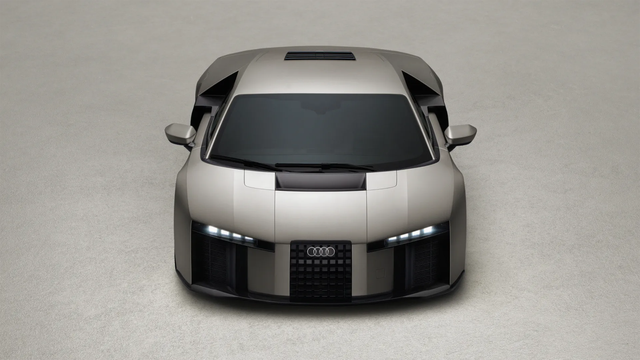
Audi Unveils Absurdly Cool New Supercar: 10 Things You Need to Know!
Verdad Gallardo
The Highs & Lows of Every Audi C-Class Generation
Joe Kucinski
Top 10 Most Expensive Audis Ever Sold on Bring-A-Trailer
Brett Foote
10 Audi Features & Options We Miss the Most!
Joe Kucinski
Audi Recreates Crazy-Looking Speed Record Breaker From 1935
Verdad Gallardo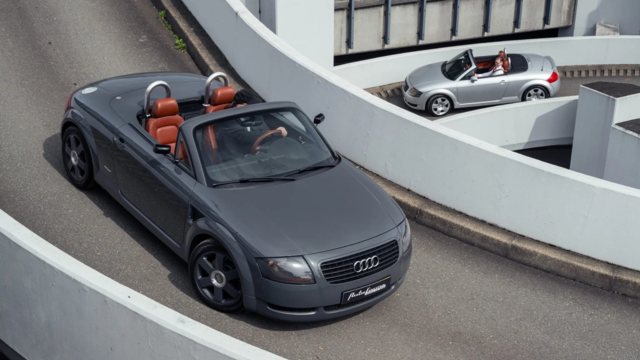
Coachbuilder Recreates the 1995 Audi TTS Concept
Verdad Gallardo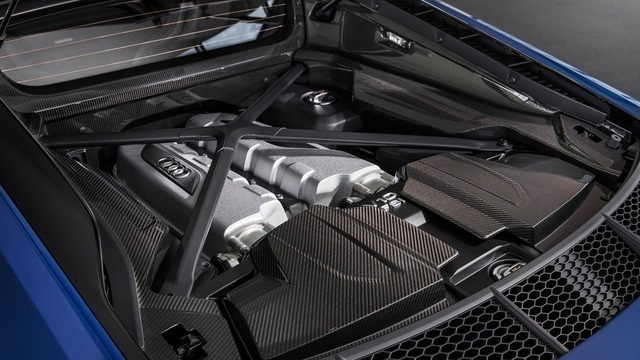
Every Audi V10 Car Ranked!
Joe Kucinski
Thread
Thread Starter
Forum
Replies
Last Post
CincySpeed
TT (Mk1) Discussion
10
Jun 2, 2008 03:16 PM
Off-Piste S4
S4 (B6 & B7 Platforms) Discussion
3
Aug 25, 2005 03:13 PM
JustJeff
TT (Mk1) Discussion
13
Apr 20, 2003 06:26 PM
MrServer
A4 (B5 Platform) Discussion
8
Jul 12, 2002 05:38 PM